

GUIDE 04Guide

Questions to Ask an Industrial Accident Attorney

  • Updated November 11, 2026
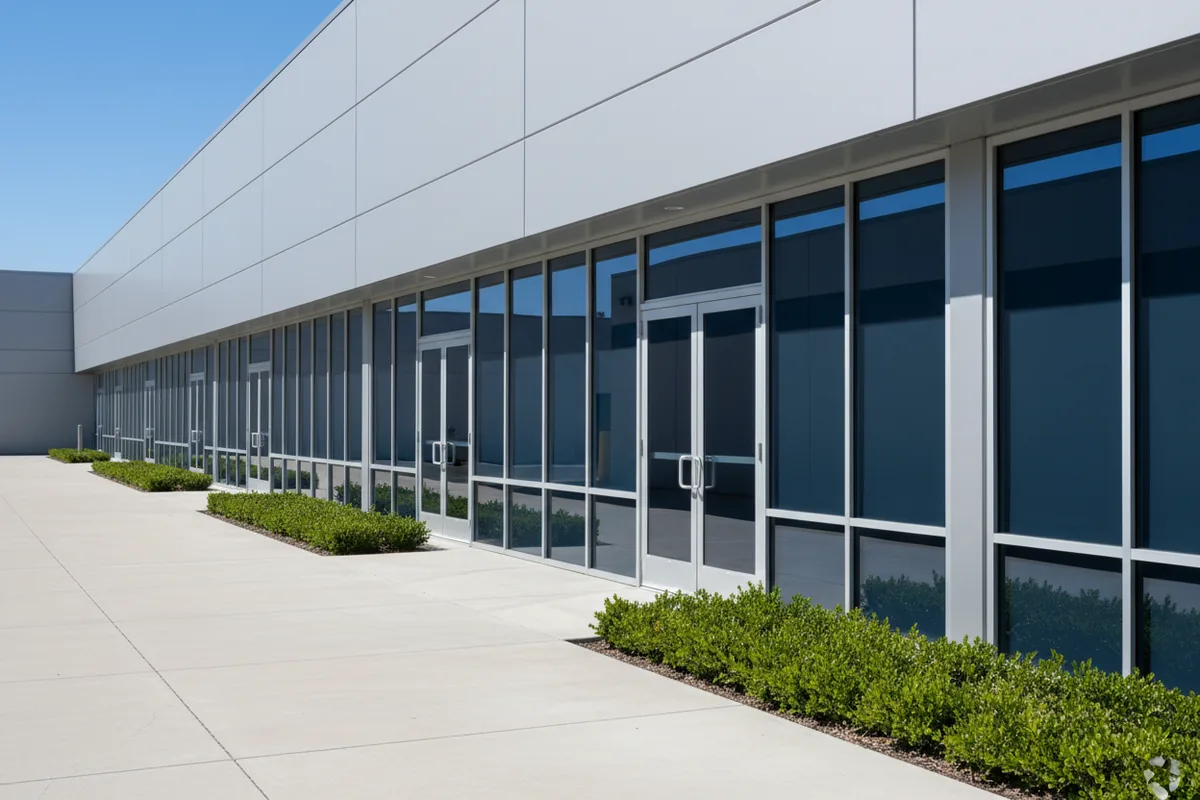
A sunlit walkway beside a quiet office building, a calm place to prepare questions.
Immediate answer

Questions to raise with a lawyer after a warehouse, factory or plant injury: industrial experience, investigation, workers' comp overlap, fees and updates.

On this page
  1. Why These Questions Matter When You Are Choosing Who to Talk To
  2. Why an Attorney's Experience With Industrial Cases Like Yours Shapes What Gets Investigated
  3. How an Attorney Would Investigate What Went Wrong
  4. If You Have a Workers' Comp Claim, How a Third-Party Claim Could Fit Alongside It
  5. Questions About Fees, Case Costs, and What Is in Writing
  6. What Staying in Touch Looks Like During a Long Industrial Case
  7. What the Records and Evidence in an Industrial Case Usually Include
  8. Sources
  9. Frequently asked questions

After a warehouse, factory or plant injury, the questions that tend to tell you the most about an attorney fall into five groups: how often they handle industrial cases like yours and who will work on the file, how they would find out why the equipment failed, how a claim would fit with workers' compensation, how fees and costs work in writing, and how you will hear from them.

Most people facing this choice are doing it at a hard time. You may be recovering from a crush injury, a fall or a machine accident, or you may be a spouse or parent handling things for someone who cannot. The medical bills are arriving, a paycheck may have stopped, and every law firm website you have read so far sounds the same. This guide sets out the questions that separate one conversation from another in an industrial case, and a plain reason why each one matters.

Why These Questions Matter When You Are Choosing Who to Talk To

A first conversation with an attorney runs in two directions. The attorney learns what happened to you. You learn whether this person's background and approach fit an industrial case. The questions below are a tool for judging that fit, not a test to pass or a checklist to finish in one sitting.

Fit matters more in industrial cases than in many others because these cases tend to have layers. A single injury on a production line can involve your employer, the company that built the machine, a contractor who maintained it, and the owner of the building. Not every personal-injury practice works with that kind of case regularly. For you, the stake is practical: how the case is investigated, and how any claim against an outside party fits with a workers' compensation claim, can depend on whether the attorney is used to that terrain.

For broader points on picking who to speak with, the site's guide on choosing an industrial injury lawyer covers the general selection process.

Why an Attorney's Experience With Industrial Cases Like Yours Shapes What Gets Investigated

The useful version of the experience question is narrower than "have you done injury cases?"

How often do you handle industrial accident cases, as opposed to personal injury generally? An attorney who mostly handles car crashes may approach a machine-guarding or forklift case differently from one who works with factory and warehouse injuries often.

Have you worked on cases involving the same type of equipment, machine or workplace? A press brake, a conveyor, a forklift and a chemical process line each fail in their own ways, and familiarity with your kind of equipment can shape which questions get asked early.

Who will work on my file day to day? The person you meet first is not always the person who handles the details, whether that is the attorney, a paralegal or someone else.

Industrial cases often involve inspection records from the Occupational Safety and Health Administration (OSHA), the federal workplace-safety agency, along with questions about why equipment failed and which of several parties had a role. An attorney's experience with that landscape affects how the factual record gets built. If an attorney is less familiar with equipment-failure cases, early questions about the machine, its maintenance or other parties may not come up as soon. The site's overview of an industrial accident attorney describes the kinds of parties and records these cases often involve.

How an Attorney Would Investigate What Went Wrong

When a machine, a rack or a guard fails, the cause is often the main dispute in the case. Questions about investigation show whether an attorney has a concrete plan or only a general approach.

How would you find out why the equipment or machinery failed? The answer to "why" often decides who, if anyone, may be legally responsible, so a vague answer here is worth noticing.

How would you identify who made, serviced, inspected or controlled the equipment? The company that built a machine, the company that maintained it and the company that ran the site can each be different, and finding them is part of the work.

What records would you look for? If you ask how the attorney would go after OSHA inspection records, maintenance logs, incident reports and equipment manuals, the answer shows you how they think about building your case.

Do you work with engineers or other technical consultants, and at what stage? Equipment failures often call for technical analysis, and the timing of that work can affect what can still be examined.

The investigation shapes which of the possible parties, such as the employer, manufacturer, maintenance contractor or property owner, turn out to matter. A lawsuit, an inspection or an accident report is not a finding that any company caused an injury. Whether anyone is responsible depends on the facts and the law that applies to them.

If You Have a Workers' Comp Claim, How a Third-Party Claim Could Fit Alongside It

Workers' compensation and a third-party claim are separate legal paths. Workers' compensation is generally a no-fault benefits system tied to the employer relationship, meaning benefits do not usually depend on proving anyone was careless. A third-party claim is a personal-injury claim against someone other than your employer, such as an equipment manufacturer or a contractor, and it generally has to show a duty, a breach of that duty, causation and damages. The two can sometimes run at the same time. The site's page comparing workers' comp and third-party claims explains the differences in more detail.

Are both paths possibly available in my situation? Whether an outside party was involved, and in what role, decides whether a third-party claim is even on the table.

How would the two claims be coordinated? Decisions in one claim can affect the other, so it helps to hear how an attorney would keep them in step.

How would any subrogation rights be handled? Subrogation is the right of a party that paid benefits, such as a workers' compensation insurer, to seek repayment from a recovery against a third party, and it can affect what is left at the end.

If you were hurt in one state, that state's rules, including its limitation periods, fault rules and damages rules, are the ones that shape these two paths, since no single rule applies everywhere. Asking how those rules would treat your claims is a fair question in any first conversation.

Questions About Fees, Case Costs, and What Is in Writing

Fees can feel awkward to raise while you are hurt, but they are a normal part of a first conversation.

How is your fee structured? Hearing the structure plainly, in the attorney's own words, avoids surprises later.

What case costs are separate from the fee, who advances them, and how are they handled? Costs such as expert witnesses, investigation and court filings are often treated differently from the fee itself, and knowing how they are handled helps you understand what may be deducted from any recovery.

Can I see the fee agreement in writing before making a decision? The written agreement, not a conversation, usually controls what is owed and when, so seeing it lets you read the terms at your own pace.

Each arrangement is different, and this page does not describe what any particular fee or cost will be. The site's page on fees and costs explains how fees and case costs differ and why the written agreement matters.

What Staying in Touch Looks Like During a Long Industrial Case

Industrial cases can take months, and sometimes years. If you are also managing recovery and family needs, knowing how communication will work over that stretch can make the process easier to plan around.

How often will I get updates on the case? Knowing the expected rhythm of updates helps you tell normal quiet periods from real gaps.

Who will be my main point of contact? It may be the attorney, a paralegal or a case manager, and knowing who to call saves time and stress.

How can I reach the attorney directly with a question? Some questions call for the attorney rather than staff, so it helps to hear how that works in practice.

No one can promise how fast a call will be returned, and this page does not suggest otherwise. These questions offer a clear picture of how communication is meant to work, so you can judge whether the approach fits what you need. If you would like to talk through these points for an industrial injury, you can request a case evaluation through this site.

What the Records and Evidence in an Industrial Case Usually Include

If you were hurt at work, the records that usually matter fall into a handful of groups, and knowing them helps you ask how each would be gathered and kept:

  • Your medical records, showing the injury and the treatment that followed.
  • Any OSHA inspection records, incident reports and citations tied to the accident.
  • The maintenance logs, inspection records and manuals for the machine or equipment that hurt you.
  • Photos and video of the scene, the equipment and the injury.
  • Names and contact information for people who saw what happened.
  • The product, machine or component involved, where it can be preserved.

Injured workers and families often gather what they can, such as their own medical paperwork, photos on a phone and the names of coworkers who were there. Other items, like maintenance logs or the machine itself, are usually in someone else's hands. What is at stake for you is whether those items are still available to examine later, which is why questions about preservation, and about how records held by an employer or another company would be requested, come up in many first conversations.

No single record proves fault. An OSHA citation, an incident report or a damaged machine is information, and whether it shows a defect or a breach of duty depends on the facts and the law of the state involved. The site's page of common questions from injured workers covers more about how these records fit into a claim.

Sources

No external sources are cited on this page. Related guides on this site:

Free case evaluation

No Fee Unless We Win Your Case

A free case evaluation is how it starts. Tell us what happened, and we’ll help you understand your options. You pay no fee unless we win your case.

Industrial Injury Law Group

How it works

  1. Call us or request a free case evaluationTell us what happened, in your own words.
  2. Talk through your caseYour options, and what your case may be worth.
  3. No fee unless we winYou pay no attorney fee unless we win your case.
Free case evaluation

Tell Us What Happened

Frequently asked questions

What are the most important questions to ask an industrial accident lawyer?

The questions that tell you the most are the ones a general answer cannot satisfy. How would they find out why this specific machine failed? Who exactly will handle your file? How would a claim fit with your workers' compensation benefits? A specific, concrete answer usually says more than a list of credentials.

What is the difference between a workers' compensation claim and a third-party lawsuit after an industrial accident?

Workers' compensation is generally a no-fault system tied to your employer and usually limits what can be claimed from the employer. A third-party lawsuit is aimed at someone else, such as a manufacturer, contractor or property owner, and must prove fault. How the two interact differs by state.

How do lawyers find out about accidents and what caused them?

They typically seek OSHA records, maintenance logs, manuals, incident reports, photos, video and witness accounts. Where equipment failure is at issue, engineers may analyze the machine. The aim is to learn what failed, why, and who built, serviced or controlled it.

What is the most common type of workplace injury?

The U.S. Bureau of Labor Statistics and OSHA track and publish workplace injury data by category. For one person's case, though, the injury that matters is the one the facts show: the equipment involved, the setting, and what the records say about how it happened.

What should I look for when choosing an attorney for an industrial accident case?

Beyond experience with industrial cases, notice how an attorney talks about the parties involved besides your employer, and whether they explain the workers' compensation overlap clearly. The site's guide on choosing a lawyer covers the general selection process.

Who may be responsible for an industrial accident beyond my employer?

Depending on the facts, possible parties include the equipment's manufacturer, a company that serviced or maintained it, a contractor at the site, or the property owner. Whether any of them is legally responsible depends on what the investigation shows and on the law of the state involved.

How long do I have to file a claim after an industrial accident?

Limitation periods, the deadlines for filing a claim, differ by state, by type of claim, such as personal injury, product liability or wrongful death, and sometimes by who the defendant is. No single deadline applies everywhere, so this page states none.

What questions should I ask about attorney fees before hiring a lawyer?

Useful questions cover how the fee is structured, which case costs are separate and who advances them, and what the written agreement says. Seeing the agreement in writing lets you compare its terms with what was said in the conversation.