AFFECTED WORKERS / 03Affected workers

Injured Machine Operator Lawyer

  • Updated November 11, 2026
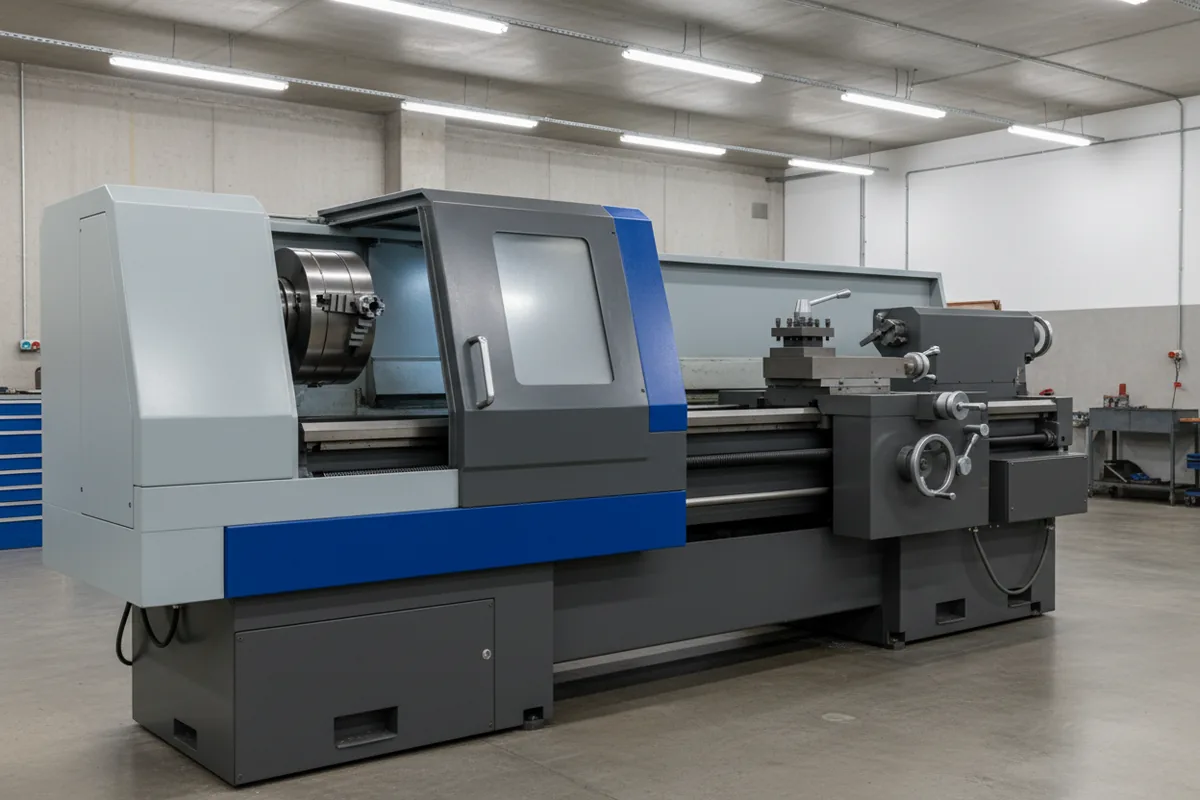
A large horizontal lathe with its chip guard closed, sitting idle in a machine shop.
Immediate answer

Hurt running an industrial machine? How federal guarding rules, product liability and parties beyond the employer fit together, and which records often matter.

On this page
  1. Key Takeaways
  2. When a Machine Injury May Lead to a Claim Beyond Workers' Compensation
  3. How Machine Operator Injuries Happen — and Why the Machine's Design Often Matters
  4. Why the Machine's Maker or Servicer May Be a Separate Party From Your Employer
  5. Records That Often Shape a Machine Operator Injury Case
  6. Injuries and What the Law May Allow a Claimant to Recover
  7. Why the State Where You Were Hurt Can Change the Outcome
  8. What Helps Before a Conversation About a Machine Injury
  9. Frequently asked questions
  10. Sources

If you were hurt while running an industrial machine at work, your employer may not be the only party the law looks at. A machine's maker, a rebuilder, a parts maker, a seller or a service company may also be answerable when the machine's design, guarding, warnings or upkeep played a part, depending on the facts and your state's law.

Most people facing this are dealing with a hand, an arm or a life that changed in a single cycle of a machine they ran every shift. You may be in treatment, out of work, watching the bills arrive, and hearing that it was "operator error" before anyone has asked how the machine was built, guarded or last serviced. If you are a spouse, a parent or an adult child after a death on a plant floor, the questions are heavier still. This page explains how these cases usually work, who besides the employer may be involved, and which records tend to matter.

Key Takeaways

  • Workers' compensation and a separate civil claim against someone other than the employer can exist side by side in many states, and the rules for both differ from state to state.
  • The company that designed, built, rebuilt or serviced the machine is a separate party from your employer, and it may be a potential defendant on its own footing.
  • The federal machine-guarding rule, 29 C.F.R. § 1910.212, sets a baseline for how machines are guarded, but a regulation does not by itself show that anyone was at fault.
  • Limitation periods, fault rules and damages rules differ by state, and no single national rule governs these cases.
  • The records that often shape a case are the machine's manual and warnings, guard and maintenance logs, training records and incident reports.

If you were told the accident was your own fault, these points mean that explanation is rarely the whole picture. The question "who is responsible?" often has more than one answer, and each answer opens a different line of inquiry, which the rest of this page walks through.

When a Machine Injury May Lead to a Claim Beyond Workers' Compensation

A civil claim beyond workers' compensation usually involves a party other than the employer, such as a manufacturer, a rebuilder, a seller or a service company, whose conduct or product contributed to the injury. Workers' compensation is the system that covers work injuries through the employment relationship; its rules differ by state and are not set out on this page.

Against a third party, the law generally asks four things in a negligence claim: whether that party owed a duty of care, whether it breached that duty, whether the breach caused the injury, and what harm resulted. For you, that means the focus shifts from what you were doing at the moment of injury to what the other party did or failed to do before you ever stepped up to the machine.

Product liability is the body of law that applies when the machine itself is alleged to be defective. It usually takes three forms: a design defect, where the machine was built as intended but the design itself was unsafe; a manufacturing defect, where a particular unit or part came out differently from the design; and a failure to warn, where the instructions or warnings did not adequately describe a hazard. An injury does not prove a defect. The law asks what the machine's condition was and whether that condition caused the harm.

The facts that usually matter at this stage are concrete. Did the machine have a guard at the point where it did its work? Were the warnings on it and in its manual clear? Had a service company worked on it recently? Had it been rebuilt or modified? Someone weighing next steps may find it useful to write down what they remember about those questions while the details are fresh.

Some machine injuries have their own pages on this site, including machine entanglement injuries and press injuries; this page covers the broader picture for operators.

How Machine Operator Injuries Happen — and Why the Machine's Design Often Matters

These cases usually begin at the part of the machine that does the work. Federal regulations define the point of operation as "the area on a machine where work is actually performed upon the material being processed." Under 29 C.F.R. § 1910.212, the point of operation of a machine whose operation exposes an employee to injury must be guarded, and where no specific standard applies, the guard must be designed and constructed "to prevent the operator from having any part of his body in the danger zone during the operating cycle," as 29 C.F.R. § 1910.212(a)(3)(ii) states.

In plain words, the rule's aim is a machine that keeps the operator's body out of harm's way by its design, not by the operator's care alone. That is why the design and guarding of a machine often matter as much as how it was run.

The same section addresses hand tools. Under 29 C.F.R. § 1910.212(a)(3)(iii), special hand tools for placing and removing material must allow easy handling "without the operator placing a hand in the danger zone," and those tools "shall not be in lieu of other guarding required by this section, but can only be used to supplement protection provided." A push stick or tong, in other words, is meant to add to a guard, not stand in for one.

The regulation also lists hazards that guarding is meant to address, including the point of operation, ingoing nip points, rotating parts, and flying chips and sparks. Injuries of this kind can come from contact at the point of operation, from clothing or a hand drawn into rotating parts, from ejected parts or material, from a machine that starts or restarts unexpectedly (a subject covered on the page on lockout/tagout failures), and from guards that were inadequate, removed or never installed, covered on the page about missing machine guards.

For someone looking back on an accident, the useful questions are what condition the machine was in, whether its guards were present and working, and whether it had recently been serviced.


Why the Machine's Maker or Servicer May Be a Separate Party From Your Employer

Many families reasonably wonder why anyone other than the company that ran the plant would be involved. The answer lies in how a machine reaches a factory floor: it is designed by one company, often built with parts from others, sold through a dealer, and sometimes rebuilt or serviced by still others. Each of those steps can create a separate duty, and each company that touched the machine may answer for its own part.

If the machine's design or its warnings left you exposed, the original manufacturer may face design-defect and failure-to-warn theories, focused on how the machine was designed to be guarded and what its warnings and manual told the operator.

If the machine was changed after it left the factory, a rebuilder or retrofitter may be involved where modifications altered the machine's safety profile, for example by changing how it was guarded or how its controls worked.

If a single part failed, a component-part manufacturer may be involved where a defective part, such as a switch, a sensor or a safety device, failed within an otherwise sound machine.

A seller or distributor may carry liability in some states, where the law reaches the chain of distribution that brought the machine to the workplace.

If an outside company worked on the machine, that maintenance or service company may face a claim for negligent repair or inspection when its work is tied to the injury.

Which of these applies turns on the facts and the law of the state where the injury happened. For you, the practical point is that knowing who touched the machine decides which records matter and who may hold them. A person in this position may want to consider whether a service company recently worked on the machine, whether it was rebuilt or modified, and whether its guard came with it from the factory or was added later. Readers hurt while clearing or repairing a machine will find related material on the page for maintenance worker injuries.

Records That Often Shape a Machine Operator Injury Case

Paperwork rarely feels important when you are recovering from a serious injury, yet in these cases the records often tell the story of the machine better than anyone's memory. If you were hurt, the records that usually matter include:

  • The machine's operator manual and any warnings affixed to it, which bear on failure-to-warn questions.
  • Guard and safety-device records, showing which guards were installed, when they were last inspected, and whether any were removed or bypassed.
  • Maintenance and service logs, including records from any outside service company.
  • Training records showing what the operator was trained on, by whom and when.
  • Incident and accident reports filed with the employer or with OSHA.
  • Photos and video of the machine and the scene, ideally taken as close to the time of the accident as possible.
  • Medical records documenting the injury and its treatment.

Federal workplace safety law gives workers certain rights that touch these records. OSHA's worker rights and protections page states that workers have the right to work on machines that are safe, to receive safety and health training in a language they understand, to report an injury or illness and get copies of their medical records, and to review records of work-related injuries and illnesses, among other rights the page lists.

Gaps in records can cut either way: a missing inspection entry may raise questions about upkeep, while a complete log may point the inquiry elsewhere. Injured workers and families often gather what they can reach, such as their own photos, medical paperwork and the names of coworkers who saw the machine that day, and note which records are held by the employer or an outside company.

Injuries and What the Law May Allow a Claimant to Recover

The injuries in machine operator cases are often severe and lasting. They include crush injuries, amputations, degloving (where skin and tissue are torn away), fractures, deep lacerations, nerve damage, traumatic brain injury and burns. This page describes them only in general terms and gives no medical guidance.

In a civil claim, the categories of damages the law may allow include:

  • Medical expenses, past and future.
  • Lost wages and lost earning capacity.
  • Physical pain and suffering.
  • Permanent impairment or disfigurement.

Where a worker died, the family may face a wrongful death claim, meaning a claim brought by certain survivors for losses caused by a death that resulted from another's wrongful conduct. Who may bring it, and which damages it allows, is defined by the law of the applicable state.

What a claimant may recover depends on the state's law, the facts, and which defendants are involved; no outcome is assured. For a family weighing what lies ahead, the practical point is that long-term needs such as future care and lost earning years are part of how the law looks at damages, which is one reason medical records and work history carry weight.

Why the State Where You Were Hurt Can Change the Outcome

The state where the injury happened usually decides the rules that govern a civil claim, and a national page cannot give any one state's rule as the rule everywhere.

Every state sets a deadline for filing a lawsuit, called a statute of limitations, and the length of that period, the event that starts it running and its exceptions all differ from state to state. If you were injured, this means the time available to file depends on where the accident happened. This page states no state's deadline, and nothing here tells anyone how much time remains.

Fault rules differ as well. In many places, comparative fault divides responsibility among the people involved; for an injured operator, that means a finding that you shared some blame can reduce what you recover by your own share. Some states follow contributory fault instead, an older rule under which even some share of blame on the injured person can bar recovery altogether. Damages caps and wrongful-death rules also vary from state to state, which can limit what a claim covers or who in a family may bring one.

This is why a claim of "operator error" is weighed differently depending on where the accident happened, and the same facts can lead to different results across state lines. Someone thinking about next steps may want to note the state where the injury occurred, the date, and the state where the machine's maker or service company is based, since those details often come up first.

If you would like to talk through which state's rules may govern your situation and which deadlines may apply, you can request a case evaluation with our attorney.

What Helps Before a Conversation About a Machine Injury

A conversation about a machine injury tends to be more useful when certain facts are at hand. The ones that are often relevant include the machine's make and model, who manufactured or rebuilt it, who last serviced it, whether guards were in place at the time, and what training the operator received. Related details matter too: when the machine was installed, whether it had ever been moved or converted to a different use, and whether coworkers had raised concerns about it.

Readers sometimes ask whether every machine injury leads to a civil claim. It does not. Where the employer is the only party involved and no product defect or third-party negligence played a part, workers' compensation may be the only avenue, and those rules differ by state. This page does not set out any state's workers' compensation rules, and it does not cover injuries outside industrial machine work.

If you are unsure whether anyone besides your employer played a part, that is the kind of question a conversation can help sort out. A conversation with our attorney can cover how the accident happened, who designed, sold, rebuilt or serviced the machine, the injuries and treatment so far, and which records exist and who holds them. Questions about related settings, such as a factory floor injury, often come up in the same discussion.

Free case evaluation

No Fee Unless We Win Your Case

A free case evaluation is how it starts. Tell us what happened, and we’ll help you understand your options. You pay no fee unless we win your case.

Industrial Injury Law Group

How it works

  1. Call us or request a free case evaluationTell us what happened, in your own words.
  2. Talk through your caseYour options, and what your case may be worth.
  3. No fee unless we winYou pay no attorney fee unless we win your case.
Free case evaluation

Tell Us What Happened

Frequently asked questions

Can I sue someone other than my employer if I was hurt by a machine at work?

Often, yes. A civil claim against a third party, such as the machine's manufacturer, a rebuilder, a component maker or a service company, may exist when a product defect or that party's negligence contributed to the injury. It runs separately from the employer relationship. Whether such a claim exists depends on the facts and the state's law.

What is a product liability claim in a machine injury case?

It is a claim that the machine itself was defective in its design, its manufacture or its warnings, and that the defect caused the injury. The injury alone does not establish a defect. The law asks what the machine's condition was when it left the defendant's hands and whether that condition caused the harm.

What does OSHA's machine-guarding rule require?

Under 29 C.F.R. § 1910.212(a)(3)(ii), the point of operation must be guarded to prevent the operator from having any part of the body in the danger zone during the operating cycle. Under § 1910.212(a)(3)(iii), special hand tools only supplement required guarding. The rule sets a baseline; it does not by itself establish anyone's fault.

Does a missing guard mean the manufacturer is automatically at fault?

No. A missing guard can point in several directions: toward the maker's design, a rebuilder's changes, a service company's work or the workplace itself. Fault turns on who removed or omitted the guard, when and why, and on the state's law, which asks about duty, breach and causation.

What records matter most in a machine operator injury case?

The records that tend to carry weight include the operator manual and affixed warnings, guard and maintenance logs, outside service records, training records, incident reports and medical records. Photos and video of the machine and scene from close to the time of the accident are often significant because they show the machine's condition then.

How long do I have to file a claim after a machine injury?

Limitation periods, the legal deadlines for filing a lawsuit, differ by state, and no single national deadline applies. When a period starts and what exceptions apply also vary. This page states no state's deadline and cannot say how much time remains in any situation.

What if the machine was modified or rebuilt before I was injured?

A rebuilder or retrofitter whose changes affected the machine's guarding or safety systems may be a potential defendant if the change contributed to the injury. The questions are what was changed, by whom and when. Whether a claim exists depends on the facts and the applicable state's law.

What types of injuries are most common in machine operator accidents?

Machine operator injuries include crush injuries, amputations, degloving, fractures, lacerations, nerve damage, traumatic brain injury and burns. Their severity and permanence affect which damage categories the law may allow, and whether a third-party claim exists alongside workers' compensation.

What damages can a machine operator injury claim cover?

The categories the law may allow include past and future medical expenses, lost wages and earning capacity, pain and suffering, and permanent impairment or disfigurement. After a death, wrongful-death damages may apply as the state's law defines them. What anyone may recover depends on the state's law and the facts; no amount is assured.